
We all know that young children, especially toddlers, love to make a noise. Whether it’s banging pots, humming tunes or clapping hands.
But did you know that all that musical play is actually helping to shape their brains? Music education in the younger years isn’t just fun, it’s incredibly powerful for developing auditory processing and listening skills.
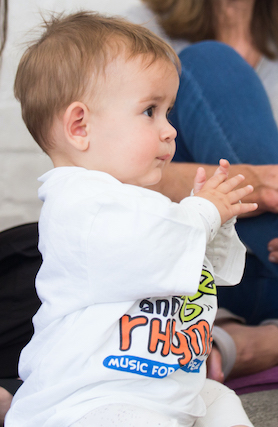
Sponge brains
At this stage of development, toddlers are soaking up sound like little sponges. Their brains are learning how to pick out patterns, differentiate tones, and follow rhythms. These are all the things that are crucial for listening, understanding language, and eventually reading.
When they participate in music activities like singing songs, tapping along to a beat, or moving to rhythms, they’re strengthening neural pathways that support focus, memory, and sound discrimination.

From clapping a rhythm to learning to read
For example, clapping to a steady beat or echoing a simple melody helps toddlers learn how to listen closely, anticipate what comes next, and stay engaged. These are the very same skills they’ll need in the classroom later on when they’re learning to follow directions, concentrate, and communicate.
Plus, music offers a joyful, gentle way to learn and practice these skills. There’s no test, no “wrong” answer — just fun and connection.

Beaters in the air!
Our small group music classes also build social skills. We encourage our little RHYMERS to connect with others, take turns, and respond to social cues through sound, which is another win for early listening development.
Music supports brain development
In short, giving your young child regular access to music is one of the simplest (and most fun!) ways to support their brain development.
So grab a shaker, turn up your favourite music, and have fun together — you’re not just making memories, you’re building lifelong skills.
You can enjoy some of our unique and proudly South African musical stories at home
Click HERE for more info
