Our Term 3 music classes are in full swing. It’s such a privilege to play a small part in the musical journey of the babies, toddlers and pre-schoolers that we have the joy to meet.
Our teachers are passionate about music and children! Seeing the children light up during our music classes is one of the highlights of what we do. Watching them grow and develop through the catalyst of music, is such a special privilege.
Music stamps itself deeply inside our brains
We’ll often hear stories from parents about how their children “play” Wriggle and Rhyme at home. The little ones will gather together their siblings or a group of teddies and host a music class.
As they role-play the class, their imaginations come to life and they are transported into the world of play-pretend.
The musical experiences have become so embedded into their lives, that they’ve transitioned them across to the world of make-believe too.
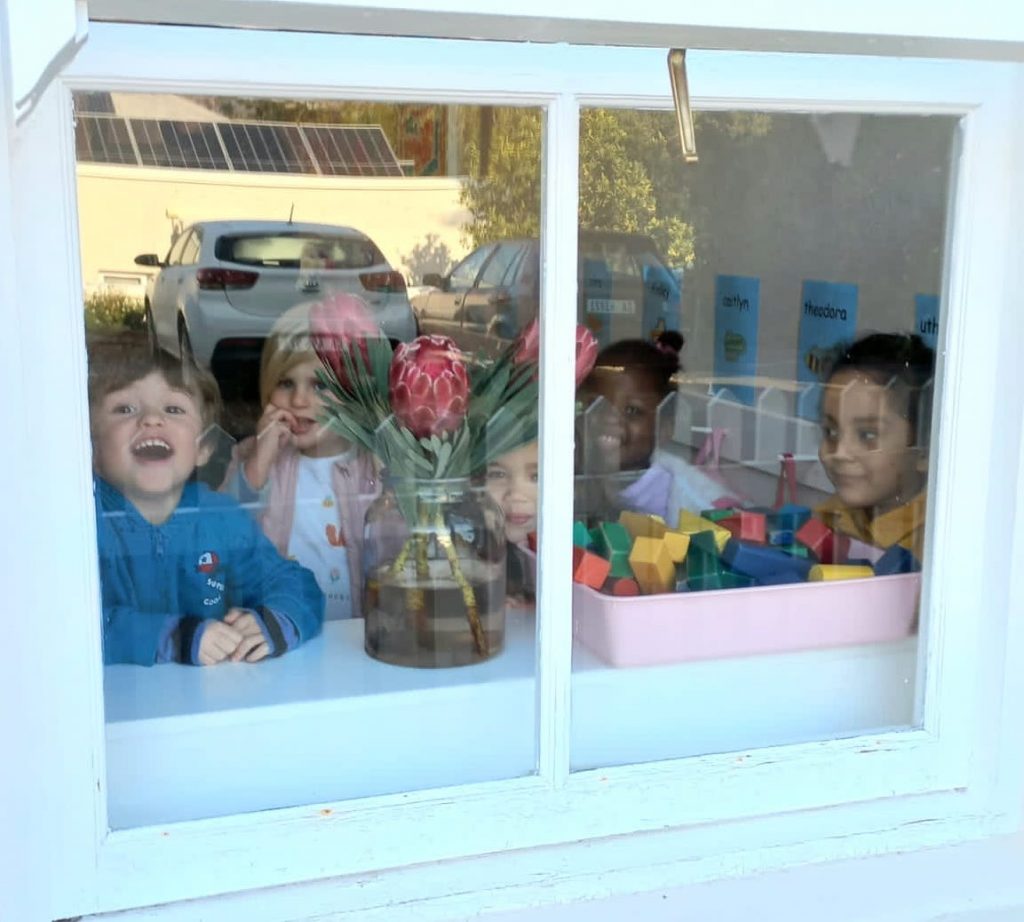
Why does music stamp itself into our imaginations?
Giovanni Di Liberto, a researcher and Assistant Professor at Trinity College in Dublin published a study in 2021 looking at new ways to link music to our imaginations.
https://www.inverse.com/mind-body/neuroscience-of-imagined-music
“The brain tries to predict upcoming music events,” Di Liberto says. “That same predictive process is, in my opinion, related to what we experience as imagination.”
What do need to know first …
Central to the study is the concept of “melodic expectations.”
Our brains are very good at learning patterns and using that information to make predictions about what might happen next. For example, if you’re driving and see another car weaving dangerously in and out of traffic, you might instinctively give that car a wide berth, knowing that they could abruptly change lanes or brake unexpectedly.
The same process of recognizing patterns occurs when we listen to music, explains Di Liberto.

Melodic Expectation
Our brain learns musical patterns throughout our life. It then attempts to predict upcoming musical notes all the time,” he says. That’s melodic expectation.
“When we hear something that is different from what our brain considers ‘expected,’ that generates a brain response. A mismatch that tells us that something is off,” Di Liberto says.
In other words, when that happens, our melodic expectation is challenged.
Whilst previous studies have used fMRI technology, this study used electroencephalography (EEG), because the resolution is faster.
The researchers found that the brain responds similarly to imagined music and music the participant is actually listening to. When there was a silent moment in the music, the brain was functionally imagining what would come next, as it would if it were imaging the music itself.
Exciting musical discoveries
This study brings us “one step closer” to understanding why music is “so important and interesting for our brain,” Di Liberto says.
He sees this tool as becoming important for detection and intervention: Something that can be used for a range of aims, from recognising early signs of dementia to issues with attention.
One thing we do know … music stamps itself on our brains in phenomenal ways!
Maybe that’s why we “stamp” each of the children in our Pre-Schooler programme with a fun W&R stamp? They absolutely love it!
More info on our classes here – https://wriggleandrhyme.local